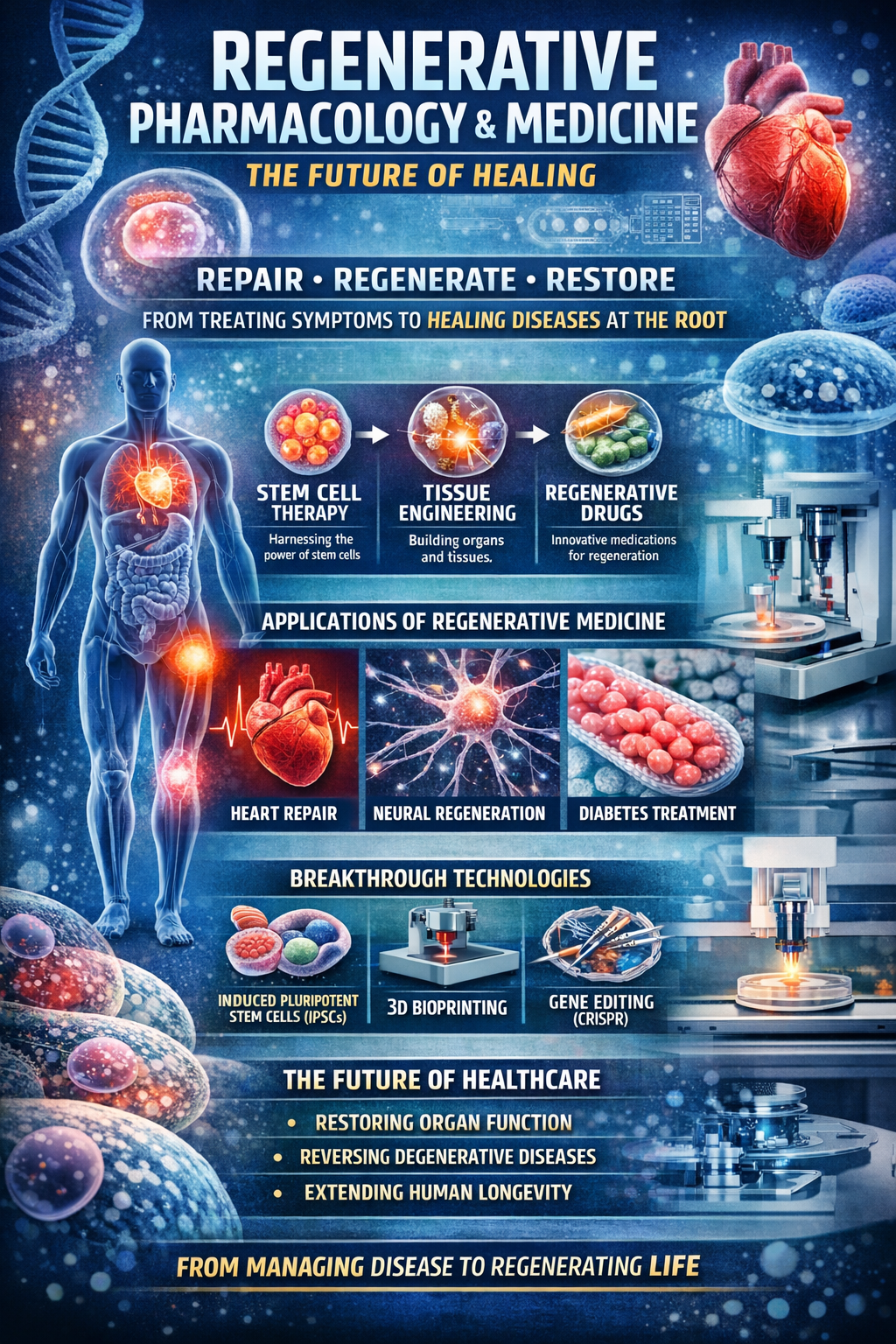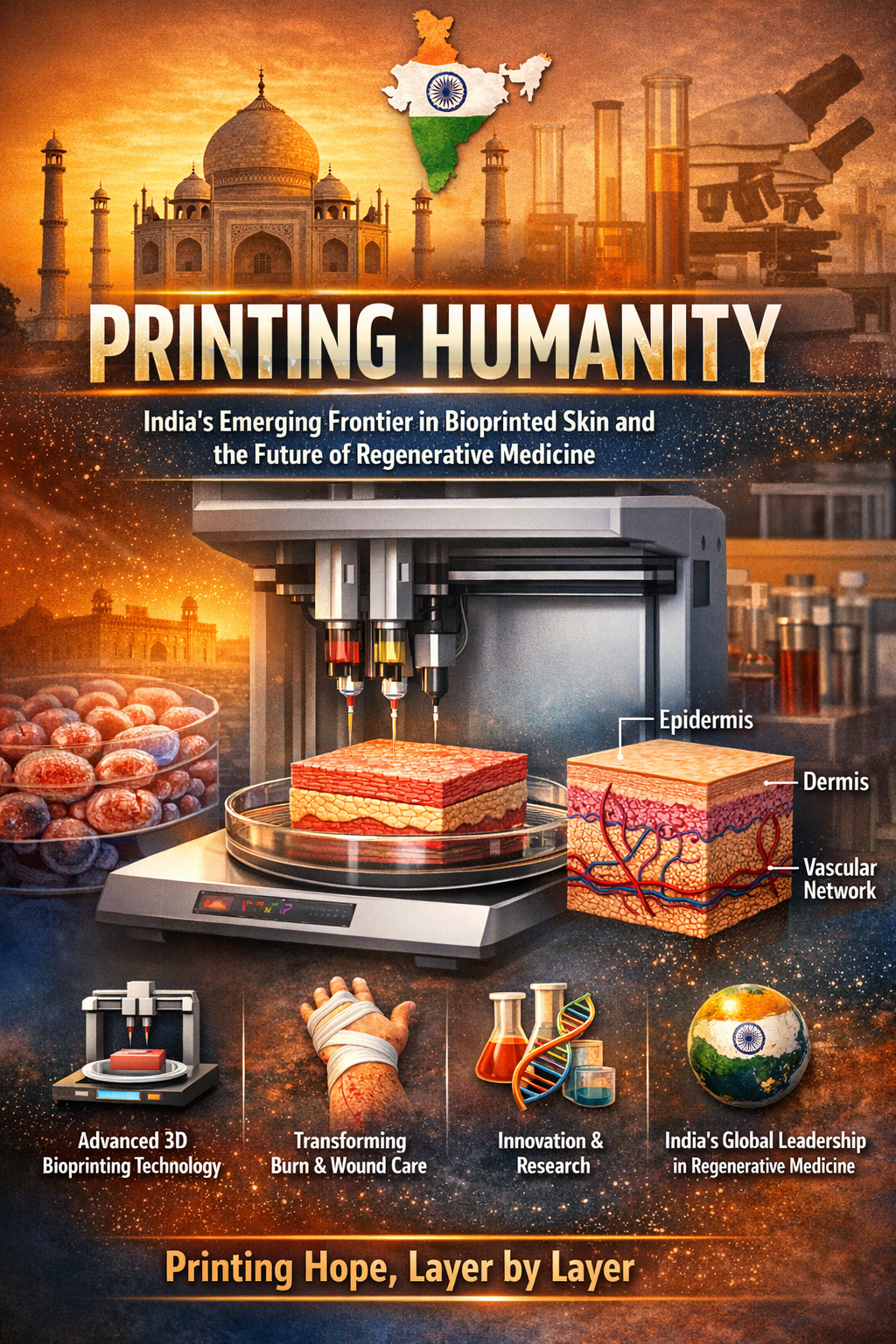
Introduction: When Technology Begins to Heal Like Nature In the evolving landscape of biomedical innovation, few technologies embody the convergence of science, engineering, and human compassion as profoundly as bioprinting. The idea that living tissues—once considered exclusive to the natural processes of biology—can now be engineered, layer by layer, through sophisticated printing systems marks a paradigm shift in modern medicine.…
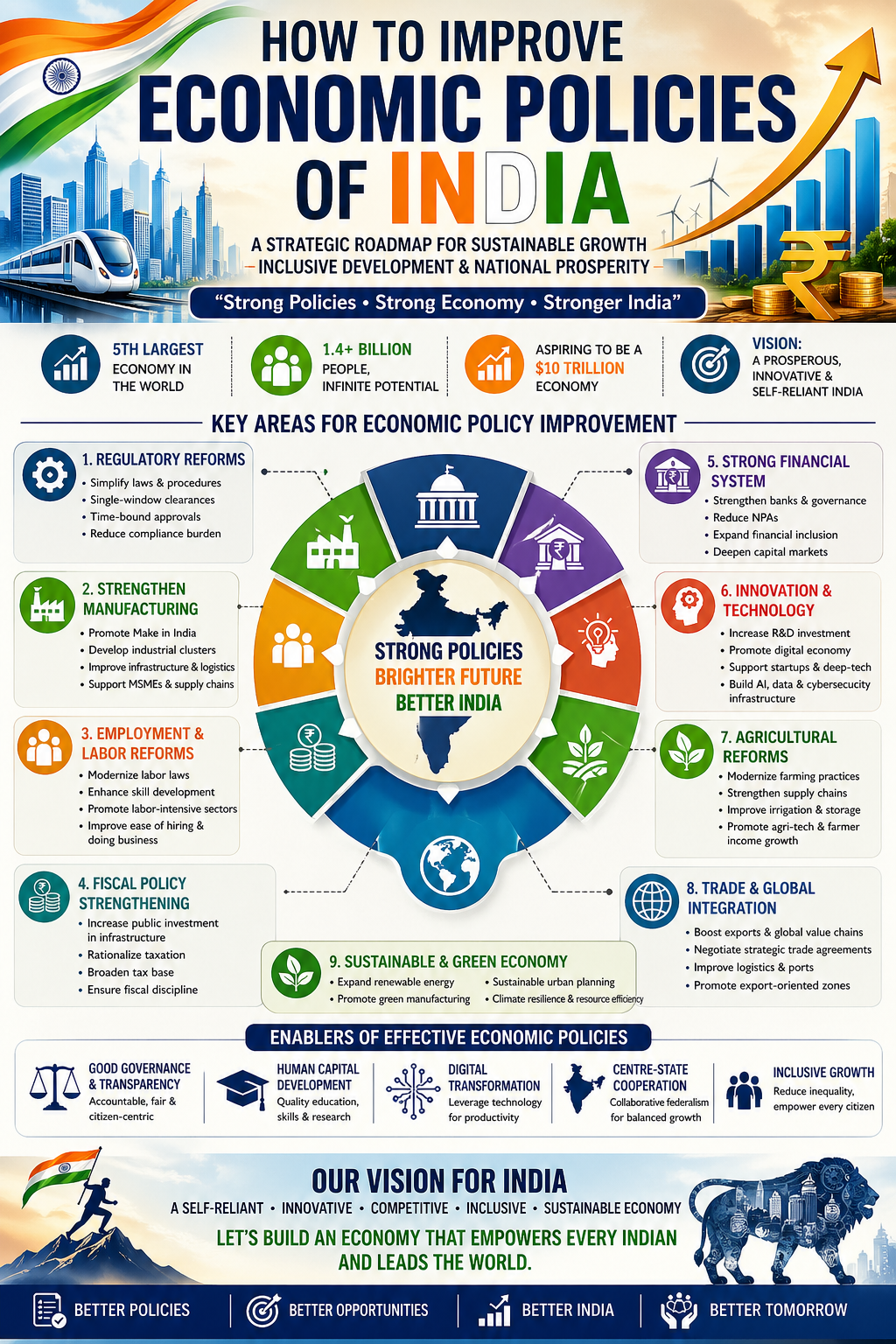
INDIA’S FUTURE
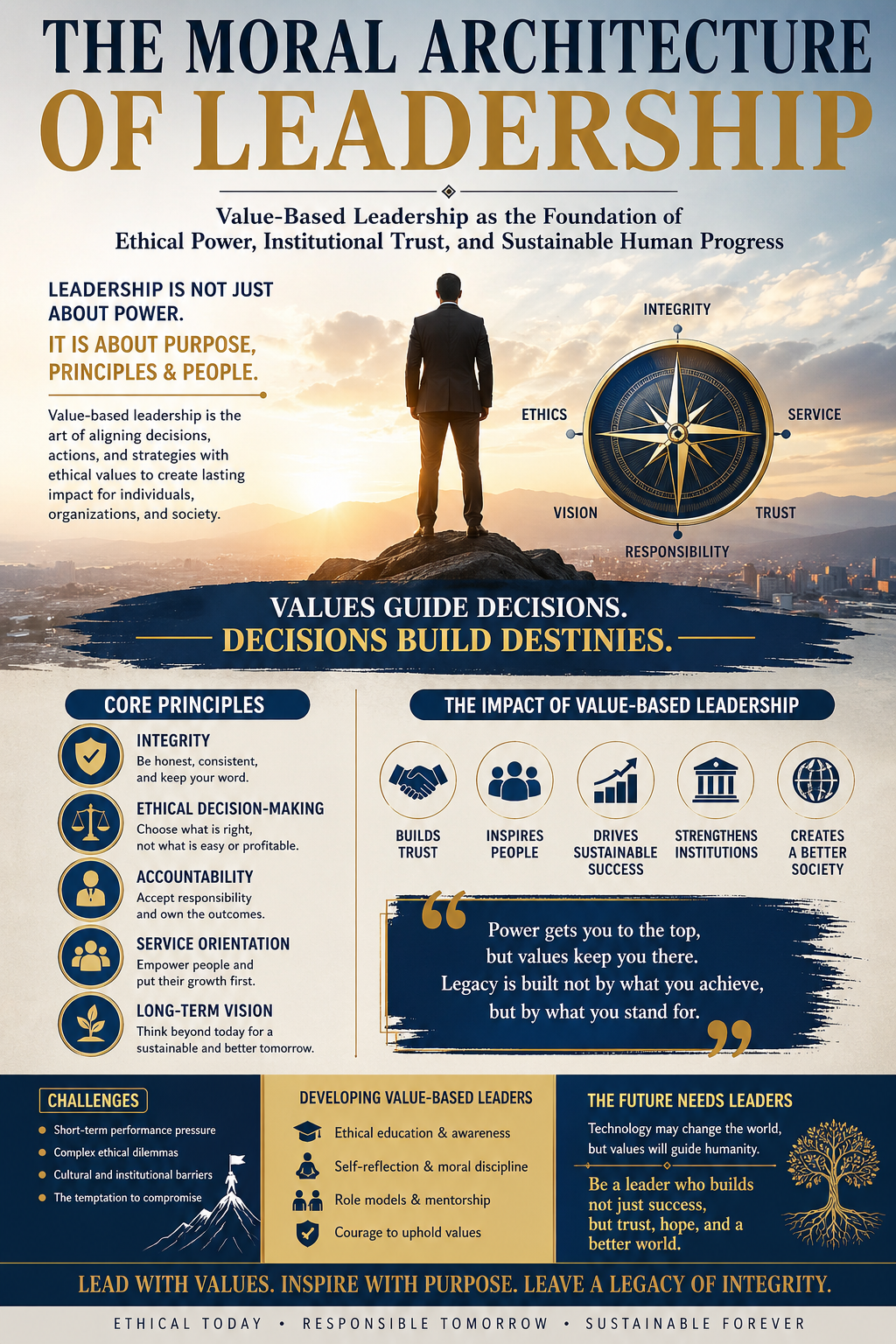
The Architecture of Leadership: Understanding the 15 Officer-Like Qualities That Shape Extraordinary Leaders
Introduction: Leadership Beyond Rank and Authority In the study of leadership, there exists a profound difference between holding authority and embodying leadership. True leadership is not conferred merely by designation, uniform, or position; rather, it emerges from a complex set of personal attributes that guide an individual’s thinking, decision-making, and behavior under pressure. In the Indian context, the concept of…
Strategic Architecture of Effective Brand Management in the Pharmaceutical Industry: From Molecules to Market Leadership
The pharmaceutical industry represents one of the most complex and highly regulated commercial ecosystems in the global economy. Unlike traditional consumer industries where branding often revolves around emotional appeal, aesthetics, and lifestyle positioning, pharmaceutical brand management exists at the intersection of science, regulation, clinical credibility, and patient welfare. Effective brand management in this sector therefore demands not only marketing sophistication…
Sustainable Growth in Business: Integrating Profitability, Responsibility, and Long-Term Resilience — A Review Perspective
Abstract The concept of sustainable growth in business has emerged as one of the defining paradigms of modern economic thought. In an era marked by environmental degradation, resource scarcity, and increasing social expectations from corporations, the traditional focus on profit maximization is gradually evolving into a more comprehensive framework that balances economic performance with social responsibility and environmental stewardship. Sustainable…
Parkinson’s Disease Beyond Dopamine: Strategic Treatment Architectures in the Era of Neurorestoration
A Disorder of Movement, A Crisis of Identity Parkinson’s disease (PD) is often reduced to tremor, rigidity, and slowness. Yet, this reductionist framing obscures its deeper reality. Parkinson’s disease is not merely a motor disorder; it is a progressive neurodegenerative syndrome that challenges the integrity of human autonomy, cognition, mood, and identity. In a nation like India, where demographic transition…
Guardians of Knowledge: The Regulatory Architecture of Indian Academia in an Age of Transformation”
An Analytical–Narrative Exploration of Control, Autonomy, and the Future of Higher Education in India When Knowledge Meets the State Every civilization that aspires toward intellectual greatness eventually confronts a defining question: Who regulates knowledge, and how? In India — a nation that once housed the ancient universities of Takshashila and Nalanda and now hosts one of the world’s largest higher…
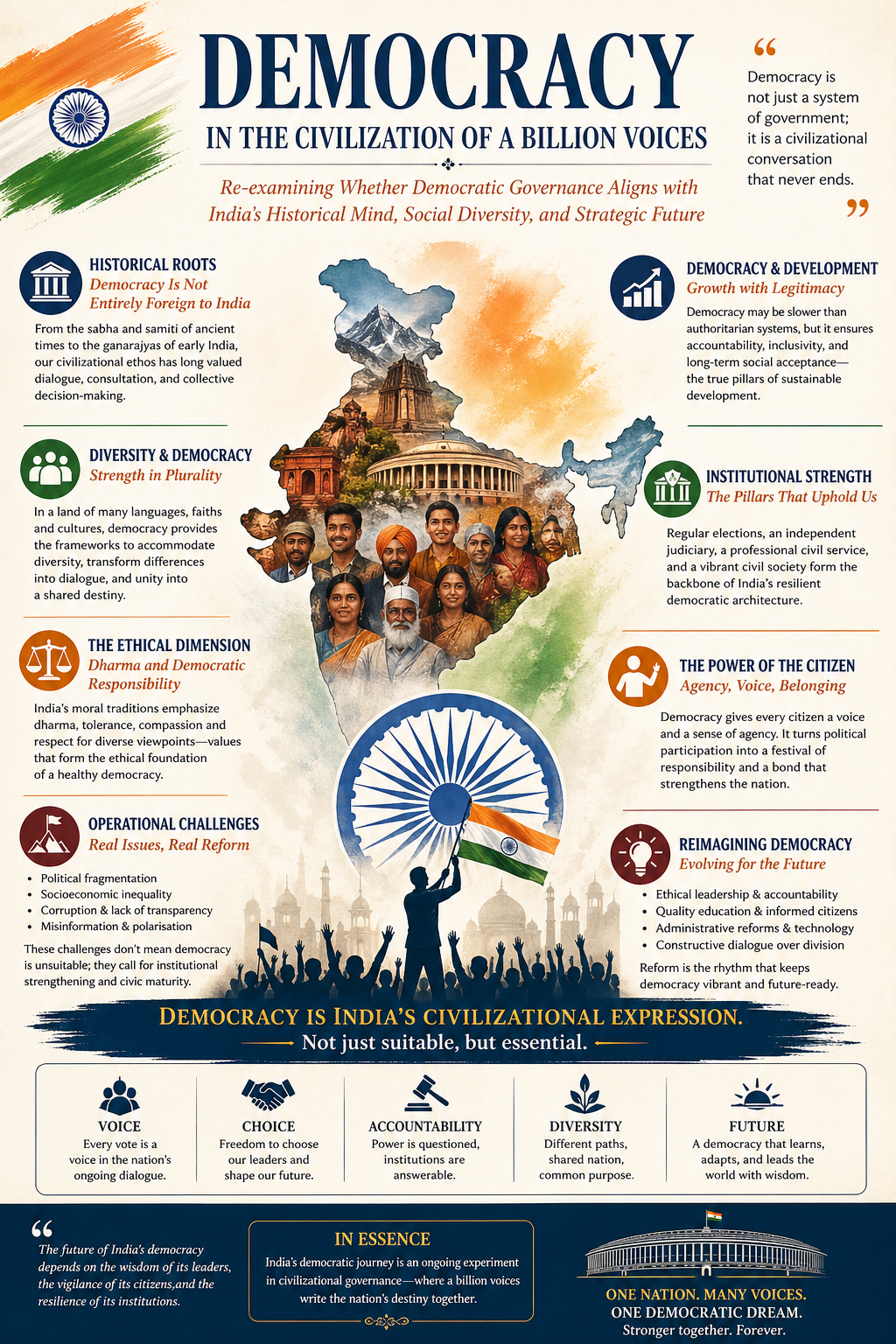
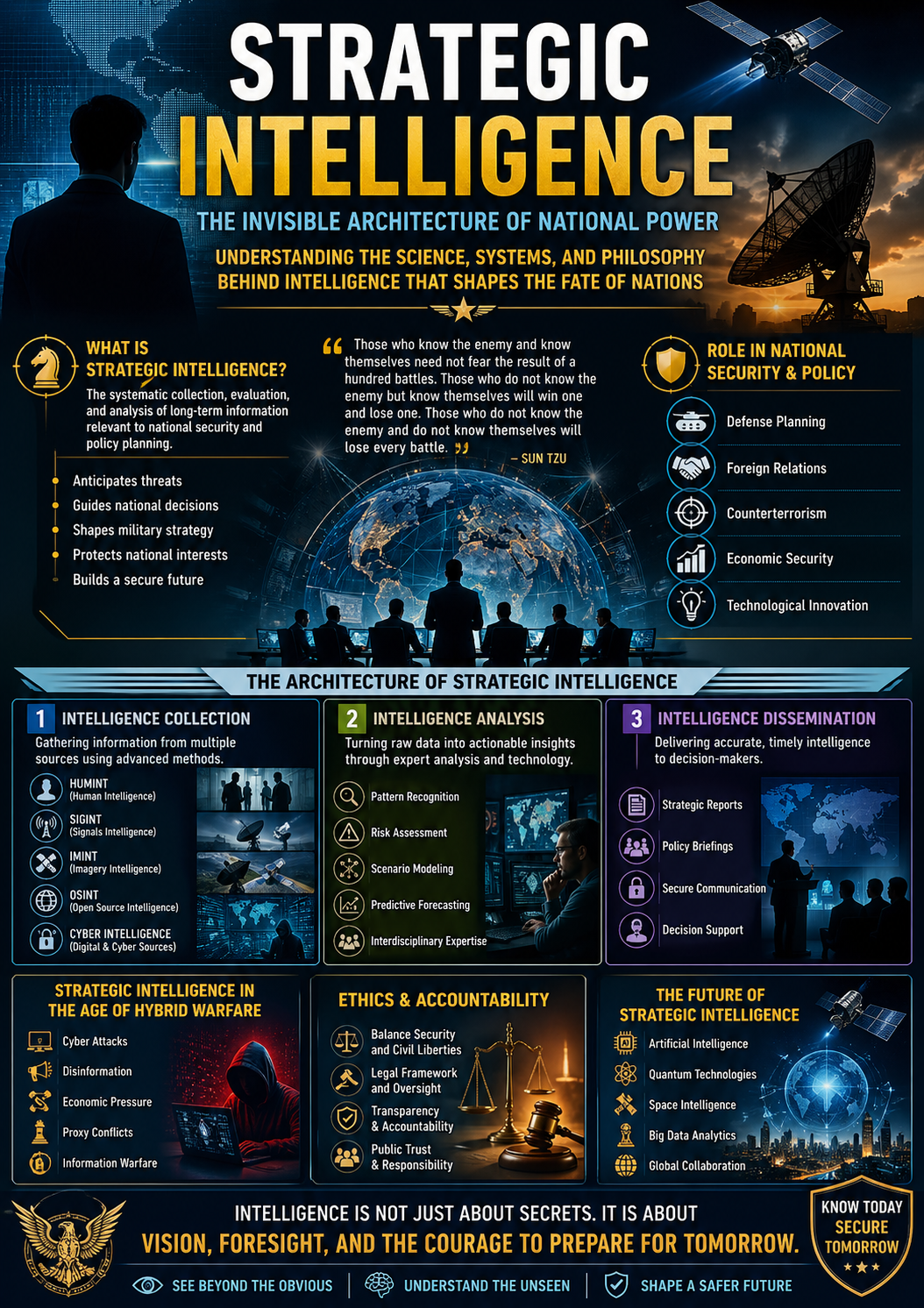
Democracy and the Indian Civilizational Mind: Suitability, Strain, and Strategic Maturity
Democracy in India is not merely a constitutional arrangement; it is a civilizational experiment unfolding in real time. To ask whether democracy is suitable for India is not a superficial political inquiry—it is a profound philosophical, historical, and sociological exploration into the compatibility of governance with the Indian civilizational psyche. India is not a newly invented republic artificially constructed in…
Sage Beyond Time: Salvia officinalis as a Phytopharmacological Bridge Between Ancient Memory and Future Medicine
By Devanssh Mehta, M.Pharm., MBA, B.Pharm. In the silent dialogue between nature and human civilization, certain plants transcend their botanical existence and become intellectual companions of humanity. Salvia officinalis, commonly known as sage, is one such botanical entity. Its name, derived from the Latin “salvare” meaning “to heal,” is not merely linguistic ornamentation but a testimony to centuries of empirical…
Biologics for Billions: The Biosimilar Civilization Beyond 2040
The story of biosimilars beyond 2040 is not merely a scientific extension of recombinant DNA technology; it is the unfolding architecture of therapeutic democratization. If the twentieth century was the era of antibiotics and small molecules, and the early twenty-first century the age of monoclonal antibodies and targeted biologics, then the decades beyond 2040 will be remembered as the epoch…
The Molecule Republic: India’s Pharmaceutical Renaissance Beyond 2040
A Strategic Narrative on Sovereignty, Science, and the Ethics of Scale When historians of industry write about India beyond 2040, they may not describe it merely as the “pharmacy of the world.” That phrase, powerful in its time, captured a phase — an era defined by generics, vaccines, cost leadership, and supply resilience. But the decades after 2040 will demand…
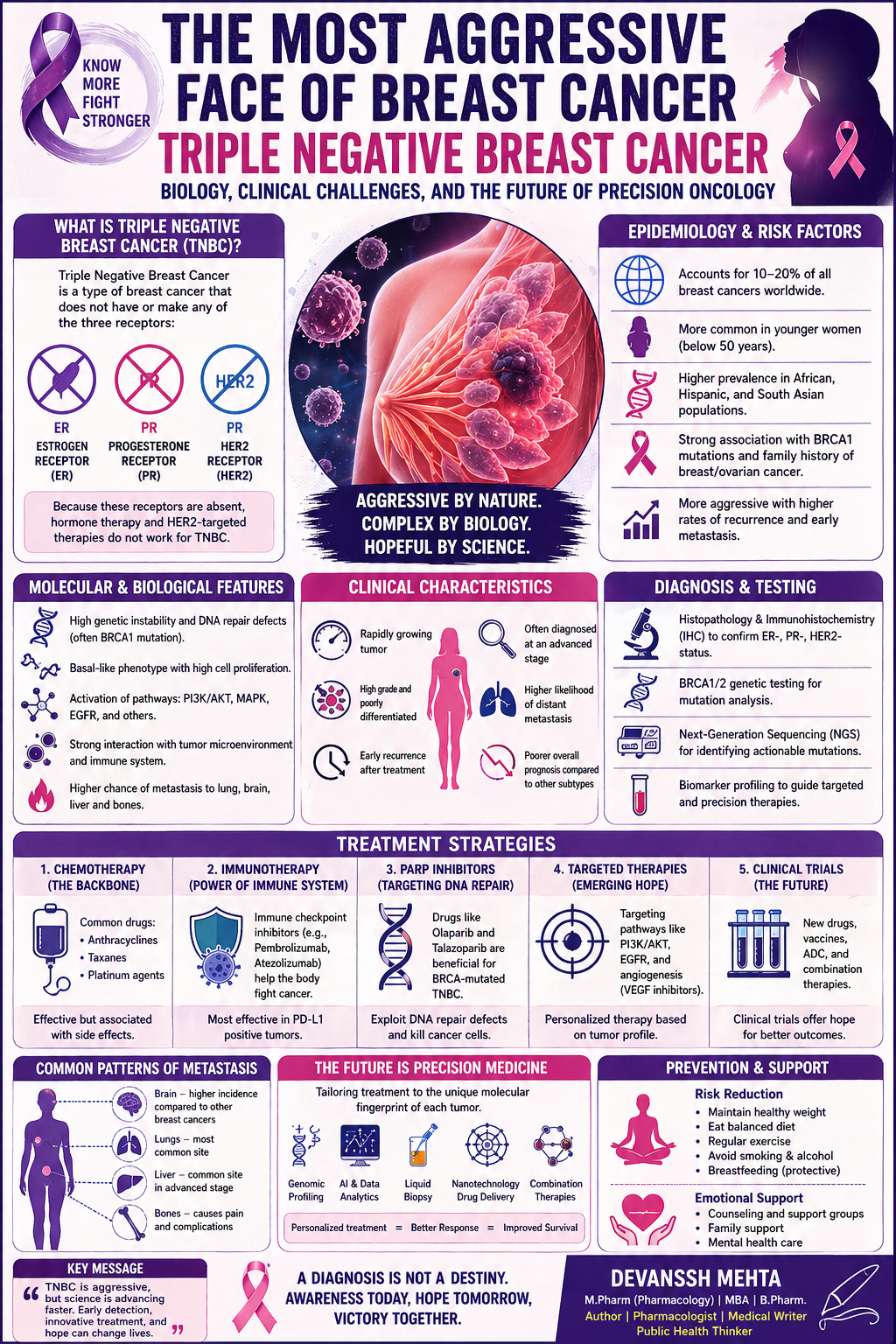
Breast Cancer: Biology, Burden, and the Battle for Life
From Cellular Mutation to Human Resilience Breast cancer is not merely a disease of tissue; it is a condition that intersects biology, psychology, family systems, public health infrastructure, and national healthcare preparedness. It represents one of the most intensely studied malignancies in modern medicine, yet it continues to test the limits of early detection systems, treatment affordability, and emotional endurance.…
Trichosanthes dioica: A Forgotten Nutraceutical Vine at the Crossroads of Ethnomedicine, Pharmacology, and Future Therapeutics
By Devanssh Mehta, M.Pharm., MBA, B.Pharm. Introduction: Reclaiming a Native Botanical Asset In the vast botanical wealth of the Indian subcontinent, certain plants remain deeply embedded in culinary traditions yet underexplored in pharmacological science. Trichosanthes dioica Roxb., commonly known as pointed gourd or “Parwal,” represents one such example—a plant cultivated widely across eastern and northern India, appreciated as a vegetable,…
Healthcare Beyond 2040: The Architecture of Human Survival, Intelligence, and Ethical Civilization
By Devanssh Mehta, M.Pharm., MBA, B.Pharm. The year 2040 will not merely represent a chronological milestone in the evolution of medicine; it will symbolize a civilizational turning point where healthcare transcends the boundaries of hospitals, pharmaceuticals, and disease management to become the central architecture of human survival, resilience, and ethical progress. When we look at healthcare today, we still perceive…
The Heart That Never Rests
A Simple and Deep Narrative on How the Human Heart Works There is an organ inside the human body that begins its work even before a mother knows she is carrying life. Around the third week of development in the womb, a tiny cluster of cells starts beating. That beat does not stop for decades. It continues when we sleep,…
The Beating Blueprint: India’s Quest to Biofabricate the Human HeartFrom Regenerative Imagination to Sovereign Biomedical Reality
By Devanssh Mehta, M.Pharm., MBA, B.Pharm. There are moments in the history of medicine when science ceases to be merely diagnostic or therapeutic and becomes creative in the truest biological sense. The aspiration to bioprint a human heart belongs to that rare category. It is not an incremental refinement of surgery, nor simply a novel pharmaceutical intervention. It is an…
The Indian Film Industry: A Civilizational Mirror, An Economic Powerhouse, and A Cultural Responsibility
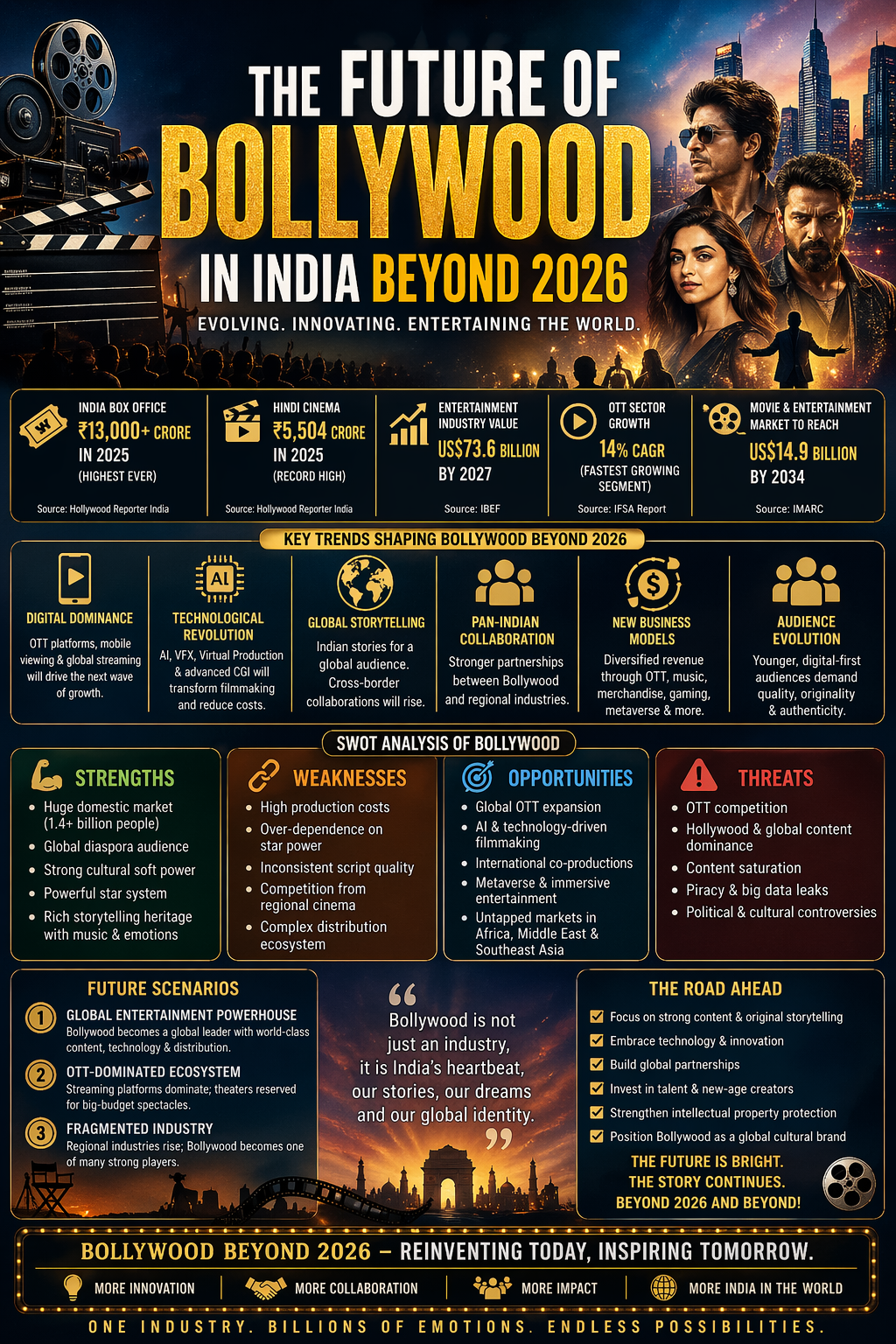
By Devanssh Mehta (M.Pharm., MBA, B.Pharm.) The Origins: When Moving Images Began to Speak to a Nation The Indian film industry did not merely begin as an entertainment venture; it emerged as a civilizational expression. When Dadasaheb Phalke released Raja Harishchandra in 1913, he was not simply producing a motion picture—he was scripting a cultural awakening. India, still under colonial…
Resilient Foundations: Engineering Shock-Proof Infrastructure for India’s Real Estate Future
From Seismic Vulnerability to Structural Sovereignty in the Age of Urban Transformation India is undergoing one of the most rapid urban transformations in human history. Metropolitan skylines are rising vertically, industrial corridors are expanding laterally, and infrastructure projects are redefining mobility, logistics, and habitation. The narrative of growth is visible, tangible, and ambitious. Yet beneath this visible expansion lies an…