

Cervical cancer remains one of the most important malignancies affecting women worldwide, particularly in low- and middle-income countries where screening infrastructure, vaccination coverage, and early diagnostic facilities remain inadequate. Unlike many cancers whose etiology involves multifactorial genetic and environmental interactions, cervical cancer possesses a uniquely identifiable primary causative agent: persistent infection with high-risk human papillomavirus (HPV). This direct viral-oncogenic association has profoundly shaped the prevention, biology, molecular pathology, and therapeutic strategies of cervical cancer over the past several decades.
The story of cervical cancer treatment is not merely a chapter in gynecological oncology. It is a broader scientific narrative involving virology, immunology, molecular biology, pharmacology, radiation science, public health policy, women’s healthcare, precision medicine, and socio-economic inequality. Cervical cancer reflects both one of medicine’s greatest preventable tragedies and one of its greatest opportunities for eradication through integrated prevention and treatment strategies.
Historically, cervical cancer represented a devastating disease associated with high mortality, severe social stigma, reproductive loss, and poor long-term survival. Before the advent of cytological screening and molecular diagnostics, the majority of patients presented with advanced disease stages characterized by pelvic invasion, hemorrhage, urinary obstruction, and metastatic dissemination. Surgical interventions were often limited, radiation delivery was primitive, and systemic therapies produced only modest benefits.
However, modern cervical cancer management has undergone a remarkable transformation. Advances in HPV biology, molecular oncology, chemoradiation protocols, targeted therapy, immunotherapy, precision medicine, and vaccine science have significantly improved patient outcomes. Today, cervical cancer treatment is increasingly multidisciplinary, biomarker-driven, and biologically personalized.
At the molecular level, cervical carcinogenesis involves complex interactions between viral oncoproteins and host-cell signaling pathways. HPV-mediated dysregulation of tumor suppressor genes, cell-cycle checkpoints, apoptotic pathways, angiogenesis, immune evasion, and genomic instability drives malignant transformation. Consequently, understanding the signaling pathways involved in cervical cancer progression has become central to the development of modern therapeutic strategies.
Historical Evolution of Cervical Cancer Treatment
The history of cervical cancer treatment mirrors the broader evolution of oncology itself. In earlier centuries, cervical cancer was poorly understood and often diagnosed only at advanced symptomatic stages. Because of anatomical limitations and lack of diagnostic tools, early therapeutic attempts were largely ineffective.
A major turning point occurred in the twentieth century with the development of the Papanicolaou smear test by George Papanicolaou. Cytological screening revolutionized early detection by enabling identification of precancerous lesions before invasive malignancy developed. This single innovation dramatically reduced cervical cancer mortality in countries implementing organized screening programs.
Surgical advancements gradually improved treatment possibilities for localized disease. Radical hysterectomy became a cornerstone of therapy for early-stage cervical cancer. Subsequently, radiation therapy evolved into an essential modality for locally advanced disease.
The later discovery of HPV as the primary etiological agent represented one of the most important breakthroughs in cancer biology. Persistent infection with high-risk HPV subtypes, particularly HPV-16 and HPV-18, was shown to drive carcinogenesis through viral oncoproteins E6 and E7. This discovery transformed both preventive and therapeutic paradigms.
The introduction of HPV vaccines further shifted cervical cancer from a purely therapeutic challenge toward a potentially preventable malignancy.
Epidemiology and Global Burden of Cervical Cancer
Cervical cancer remains among the leading causes of cancer-related death in women globally, especially in resource-limited settings. The disease disproportionately affects populations lacking:
- routine screening
- HPV vaccination
- gynecological healthcare access
- early diagnostic infrastructure
Socio-economic inequality remains a major determinant of cervical cancer outcomes.
In developed nations, screening programs have substantially reduced incidence rates. However, in many developing countries, late-stage presentation remains common due to:
- poor awareness
- social stigma
- healthcare inaccessibility
- financial barriers
The disease therefore represents not only a medical challenge but also a public health and social justice issue.
Molecular Pathogenesis of Cervical Cancer
The molecular biology of cervical cancer is fundamentally linked to HPV infection.
HPV Infection and Oncogenesis
High-risk HPV infects cervical epithelial cells, particularly within the transformation zone where squamous and columnar epithelium meet.
The viral oncoproteins E6 and E7 are central drivers of carcinogenesis.
E6 and p53 Pathway
The E6 oncoprotein promotes degradation of the tumor suppressor protein p53.
Under normal physiological conditions, p53 functions as:
- a genomic guardian
- cell-cycle regulator
- apoptosis inducer
- DNA damage sensor
Loss of p53 activity leads to:
- impaired apoptosis
- genomic instability
- accumulation of mutations
- uncontrolled proliferation
The p53 signaling pathway therefore becomes profoundly disrupted in cervical cancer.
E7 and RB Pathway
The E7 oncoprotein binds and inactivates the retinoblastoma (RB) tumor suppressor protein.
Normally, RB regulates the G1-S cell-cycle checkpoint.
Disruption of RB signaling causes:
- uncontrolled cell-cycle progression
- enhanced DNA synthesis
- malignant transformation
Together, E6 and E7 establish a cellular environment highly conducive to oncogenesis.
Surgical Treatment Strategies
Surgery remains an important therapeutic modality, particularly in early-stage cervical cancer.
Conization
For very early lesions and precancerous disease, cervical conization allows removal of localized abnormal tissue while preserving fertility.
This approach is particularly important in younger women seeking reproductive preservation.
Radical Hysterectomy
Radical hysterectomy involves removal of:
- uterus
- cervix
- upper vagina
- surrounding parametrial tissue
- pelvic lymph nodes
This procedure remains a standard treatment for localized invasive disease.
Advances in minimally invasive surgery, robotic surgery, and nerve-sparing techniques have improved postoperative recovery and quality of life.
Fertility-Sparing Surgery
Modern gynecologic oncology increasingly emphasizes fertility preservation.
Radical trachelectomy allows removal of the cervix while preserving the uterus in selected early-stage patients.
This reflects the growing importance of survivorship and reproductive health in cancer management.
Radiation Therapy in Cervical Cancer
Radiation therapy has long represented a cornerstone of cervical cancer treatment.
External Beam Radiation Therapy (EBRT)
EBRT targets:
- primary tumor
- pelvic lymph nodes
- parametrial tissues
Technological advancements including:
- IMRT
- IGRT
- adaptive radiotherapy
have improved precision and reduced toxicity.
Brachytherapy
Brachytherapy delivers highly localized radiation directly near the cervical tumor.
This modality achieves:
- high tumor dose concentration
- minimal surrounding tissue exposure
Brachytherapy remains essential for curative treatment in locally advanced cervical cancer.
Concurrent Chemoradiation
The combination of cisplatin-based chemotherapy with radiation significantly improved survival outcomes.
Chemotherapy enhances radiosensitivity while simultaneously addressing micrometastatic disease.
Concurrent chemoradiation became standard therapy for locally advanced disease because of superior overall survival compared with radiation alone.
Chemotherapy in Cervical Cancer
Systemic chemotherapy plays important roles in:
- chemoradiation
- recurrent disease
- metastatic disease
- palliative management
Common agents include:
- cisplatin
- carboplatin
- paclitaxel
- topotecan
- gemcitabine
Cisplatin and DNA Damage
Cisplatin induces:
- DNA cross-linking
- replication inhibition
- apoptosis
The drug remains one of the most effective radiosensitizers in cervical oncology.
However, resistance mechanisms involving DNA repair pathways increasingly limit efficacy.
Angiogenesis and VEGF Signaling Pathway
Tumor angiogenesis is crucial for cervical cancer progression.
VEGF Pathway
Vascular endothelial growth factor stimulates:
- neovascularization
- endothelial proliferation
- tumor blood supply
HPV-associated hypoxic environments frequently activate VEGF signaling.
Bevacizumab
Bevacizumab targets VEGF-mediated angiogenesis.
The addition of bevacizumab to chemotherapy significantly improved survival in recurrent and metastatic cervical cancer.
This represented one of the first major targeted therapy successes in gynecologic oncology.
EGFR Signaling Pathway
Epidermal growth factor receptor signaling contributes to:
- proliferation
- survival
- metastasis
- therapeutic resistance
EGFR activation stimulates downstream pathways including:
- PI3K/AKT/mTOR
- RAS/RAF/MEK/ERK
Overexpression of EGFR has been associated with poor prognosis in cervical cancer.
Targeting EGFR remains an active area of research.
PI3K/AKT/mTOR Signaling Pathway
The PI3K/AKT/mTOR pathway represents one of the most important intracellular signaling cascades in cervical cancer.
This pathway regulates:
- metabolism
- proliferation
- survival
- angiogenesis
- resistance mechanisms
Mutations and pathway hyperactivation contribute significantly to tumor progression.
mTOR Inhibitors
Targeting mTOR signaling may suppress:
- protein synthesis
- tumor growth
- metabolic adaptation
Although clinical benefits remain under investigation, the pathway represents a promising therapeutic target.
MAPK/ERK Signaling Pathway
The MAPK pathway regulates:
- cell proliferation
- differentiation
- migration
- stress responses
Activation occurs through:
- EGFR signaling
- RAS mutations
- growth factor stimulation
Aberrant MAPK signaling contributes to aggressive tumor biology and therapeutic resistance.
Immune Checkpoint Pathways and Immunotherapy
Cervical cancer is strongly linked to viral antigens, making it an attractive target for immunotherapy.
PD-1/PD-L1 Signaling
Tumor cells evade immune surveillance through checkpoint pathways.
PD-L1 expression inhibits cytotoxic T-cell activity by interacting with PD-1 receptors.
Checkpoint inhibitors restore antitumor immunity.
Pembrolizumab
Pembrolizumab became an important advancement for:
- recurrent cervical cancer
- metastatic disease
- PD-L1-positive tumors
Immunotherapy is particularly important because HPV-associated cancers exhibit:
- viral antigenicity
- immune infiltration
- inflammatory microenvironments
Combination Immunotherapy
Modern research increasingly explores:
- immunotherapy plus chemotherapy
- immunotherapy plus radiation
- dual checkpoint blockade
These combinations aim to improve durable responses.
JAK/STAT Signaling Pathway
The JAK/STAT pathway regulates:
- cytokine signaling
- inflammation
- immune responses
- proliferation
Persistent activation contributes to:
- immune evasion
- tumor progression
- chronic inflammation
Targeting inflammatory signaling may enhance therapeutic responsiveness.
Wnt/Beta-Catenin Pathway
The Wnt pathway regulates:
- stemness
- differentiation
- migration
- epithelial–mesenchymal transition
Aberrant activation contributes to:
- metastasis
- therapeutic resistance
- cancer stem cell maintenance
Cancer stem cell biology increasingly represents a major research focus in cervical oncology.
Notch Signaling Pathway
Notch signaling influences:
- cellular differentiation
- self-renewal
- stem-cell survival
The pathway demonstrates context-dependent oncogenic and tumor-suppressive functions.
Dysregulation may promote cervical carcinogenesis and metastatic progression.
TGF-Beta Signaling Pathway
Transforming growth factor-beta signaling exhibits dual roles.
In early carcinogenesis:
- tumor suppression may occur
In advanced disease:
- invasion
- metastasis
- immune suppression
- epithelial–mesenchymal transition
become dominant effects.
The pathway therefore contributes significantly to metastatic progression.
DNA Repair Pathways and Genomic Instability
HPV-induced genomic instability profoundly affects DNA repair mechanisms.
Defects in:
- homologous recombination
- nucleotide excision repair
- mismatch repair
may contribute to therapeutic vulnerabilities.
Research into PARP inhibitors and synthetic lethality strategies continues to expand.
Tumor Microenvironment in Cervical Cancer
Modern oncology increasingly recognizes the importance of the tumor microenvironment.
Interactions among:
- fibroblasts
- immune cells
- cytokines
- extracellular matrix
- angiogenic factors
significantly influence progression and resistance.
Hypoxia within cervical tumors promotes:
- angiogenesis
- immune suppression
- radioresistance
Targeting the tumor microenvironment therefore represents a major therapeutic strategy.
Precision Medicine and Biomarker-Guided Therapy
Precision oncology is gradually reshaping cervical cancer management.
Important biomarkers include:
- PD-L1 expression
- HPV subtype
- tumor mutational burden
- circulating tumor DNA
- molecular signatures
Biomarker-guided treatment may optimize:
- patient selection
- therapeutic sequencing
- resistance monitoring
HPV Vaccination and Preventive Oncology
Perhaps the most revolutionary aspect of cervical cancer management is prevention itself.
HPV vaccines targeting high-risk viral strains dramatically reduce:
- persistent infection
- precancerous lesions
- invasive cervical cancer risk
Vaccination represents one of the greatest achievements in preventive oncology.
However, vaccine inequity remains a major global challenge.
Artificial Intelligence in Cervical Cancer Management
AI is increasingly integrated into:
- cytology interpretation
- imaging analysis
- pathology
- risk stratification
- treatment planning
Machine learning may improve early detection and personalized therapy.
Challenges in Low- and Middle-Income Countries
Despite scientific progress, major barriers persist:
- limited screening programs
- inadequate radiation facilities
- poor vaccine access
- shortage of oncology specialists
- treatment affordability
Global elimination of cervical cancer requires not only scientific innovation but healthcare infrastructure expansion.
Psychological and Social Dimensions
Cervical cancer profoundly affects:
- reproductive identity
- sexuality
- fertility
- mental health
- social relationships
Comprehensive care must therefore include:
- psycho-oncology
- fertility counseling
- survivorship planning
- rehabilitation
Modern oncology increasingly emphasizes holistic patient-centered care.
Future Directions in Cervical Cancer Treatment
The future of cervical oncology lies in:
- personalized immunotherapy
- therapeutic vaccines
- adoptive T-cell therapy
- AI-assisted diagnostics
- liquid biopsy
- molecular monitoring
- nanotechnology-based drug delivery
Research increasingly focuses upon:
- overcoming resistance
- targeting cancer stem cells
- enhancing radiosensitivity
- modulating immune responses
The integration of molecular biology with clinical oncology will continue transforming cervical cancer management.
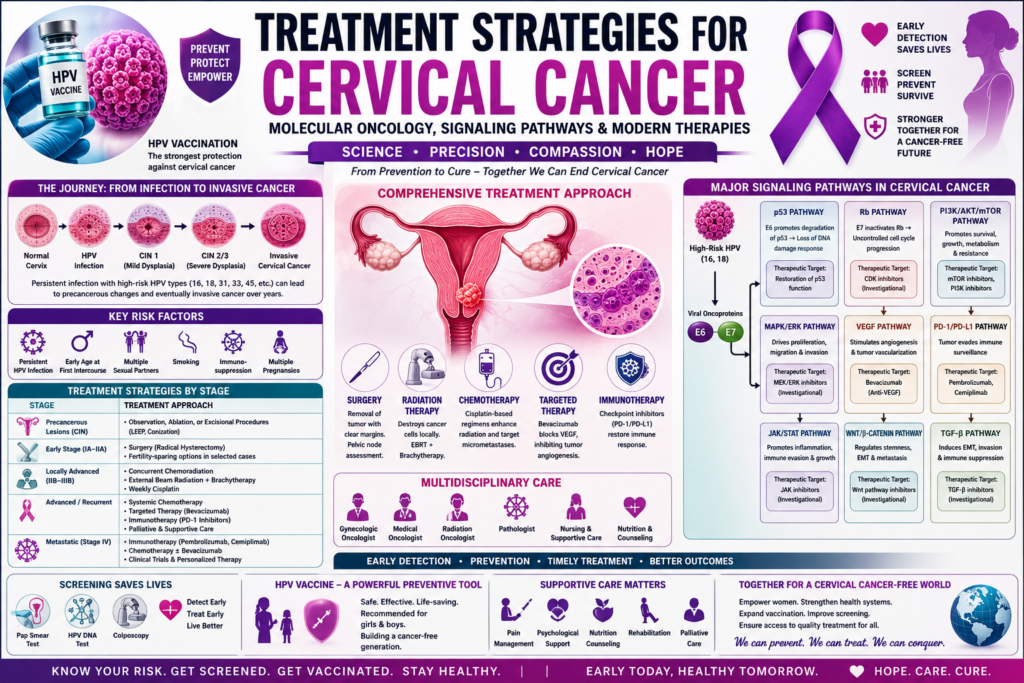
Figure 1: Major Signaling Pathways in Cervical Cancer
| Signaling Pathway | Major Function | Therapeutic Relevance |
|---|---|---|
| p53 Pathway | DNA repair and apoptosis | Disrupted by HPV E6 |
| RB Pathway | Cell-cycle control | Inactivated by HPV E7 |
| PI3K/AKT/mTOR | Survival and metabolism | Targeted therapy potential |
| MAPK/ERK | Proliferation and migration | Resistance and progression |
| VEGF Pathway | Angiogenesis | Targeted by bevacizumab |
| PD-1/PD-L1 | Immune evasion | Immunotherapy target |
| Wnt/Beta-Catenin | Stemness and metastasis | Emerging therapeutic target |
| JAK/STAT | Inflammation and immunity | Immune modulation |
| TGF-Beta | EMT and metastasis | Advanced disease progression |
Figure 2: Modern Treatment Strategies for Cervical Cancer
| Disease Stage | Main Treatment Strategies |
|---|---|
| Precancerous lesions | HPV vaccination, conization |
| Early-stage disease | Surgery, fertility preservation |
| Locally advanced disease | Concurrent chemoradiation |
| Recurrent disease | Chemotherapy, targeted therapy |
| Metastatic disease | Immunotherapy, bevacizumab, systemic therapy |
Conclusion
Cervical cancer treatment has evolved from a historically devastating gynecological malignancy into one of the most biologically understood and potentially preventable human cancers. The discovery of HPV-driven oncogenesis fundamentally transformed both prevention and therapeutic strategies.
Modern cervical oncology integrates:
- surgery
- radiation therapy
- chemotherapy
- targeted therapy
- immunotherapy
- molecular diagnostics
- precision medicine
into a highly multidisciplinary treatment framework.
At the molecular level, cervical carcinogenesis is driven by complex signaling pathways involving:
- HPV E6/p53 disruption
- HPV E7/RB inactivation
- PI3K/AKT/mTOR activation
- VEGF-mediated angiogenesis
- immune checkpoint pathways
- MAPK signaling
- Wnt signaling
- JAK/STAT regulation
Understanding these pathways has enabled development of targeted therapies and immunotherapeutic interventions.
The future of cervical cancer management lies not merely in stronger cytotoxic drugs but in biologically intelligent precision oncology guided by:
- molecular profiling
- immune biomarkers
- real-time genomic monitoring
- AI-assisted diagnostics
- adaptive therapeutic strategies
Perhaps more importantly, cervical cancer stands as a rare example where global elimination may eventually become achievable through integrated prevention, vaccination, early detection, and modern therapeutics.
The ultimate goal of cervical cancer treatment is no longer simply survival alone. Modern oncology increasingly seeks preservation of fertility, dignity, sexuality, psychological wellbeing, reproductive identity, and long-term quality of life. In this evolving era of molecular medicine and global public health integration, cervical cancer may ultimately become one of humanity’s greatest victories against cancer itself.