

By Devanssh Mehta
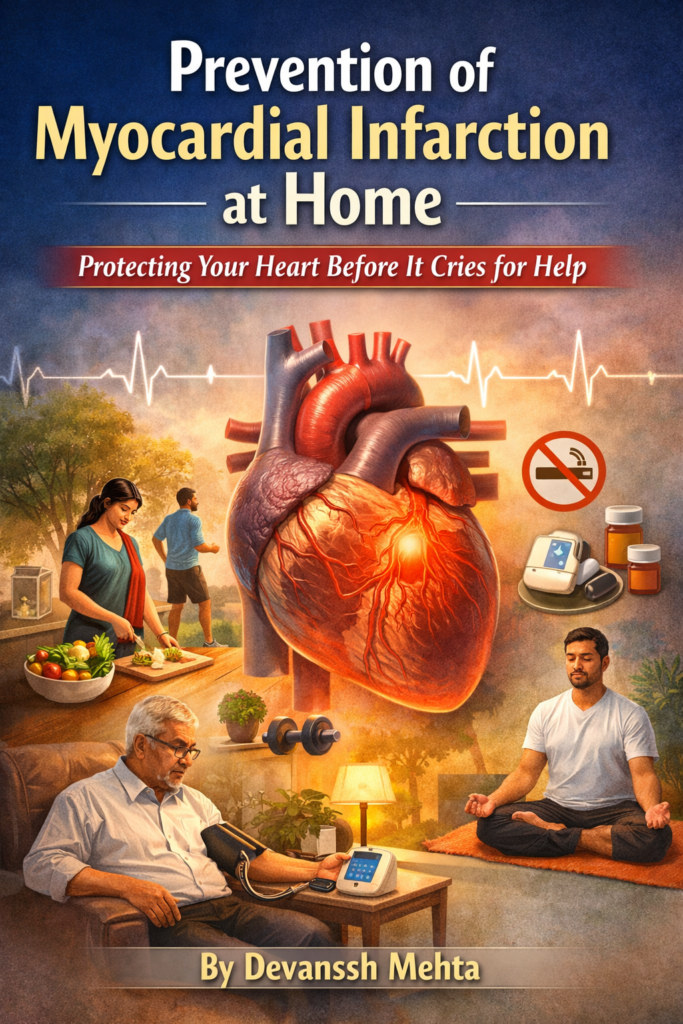
A heart attack does not happen suddenly in a single moment. It may appear sudden, but in reality, it develops silently over many years. The real beginning of a myocardial infarction is not in the hospital emergency room. It begins at home — in our daily habits, in our food choices, in our stress levels, in our sleep patterns, and in how seriously we take our health.
The heart is a hardworking organ. It beats more than 100,000 times a day without asking for appreciation. It pumps blood to every cell of the body. Yet, it depends entirely on small blood vessels called coronary arteries for its own oxygen supply. When these arteries become blocked due to fatty deposits and clots, the heart muscle starts dying. That is what we call a myocardial infarction, or heart attack.
The important truth is this: most first heart attacks can be prevented. And prevention largely begins at home.
Let us understand this in simple terms.
Over the years, unhealthy habits slowly damage the inner lining of our blood vessels. Excess oil and fried foods increase bad cholesterol. Smoking injures the arteries directly. High blood pressure puts constant pressure on vessel walls. Diabetes makes blood vessels stiff and inflamed. Stress releases hormones that strain the heart. Lack of exercise weakens the cardiovascular system. All these factors quietly work together until one day a blood vessel becomes completely blocked.
But if the disease develops slowly, then prevention can also be done slowly — through daily discipline.
The first and most powerful area of prevention is food. Our kitchen can either protect the heart or harm it. Many heart problems are linked to excessive use of refined flour, deep-fried snacks, processed foods, sugary drinks, and too much salt. These foods increase cholesterol, blood pressure, and blood sugar.
On the other hand, simple home-cooked meals can be powerful medicine. Whole grains instead of refined flour. Fresh vegetables and fruits instead of packaged snacks. Pulses and legumes instead of heavy red meat. Limited oil, and preferably healthier oils in controlled quantity. Less salt. More fiber. These changes may look small, but over years they protect arteries from becoming blocked.
It is not necessary to follow complicated or expensive diets. What matters is balance and moderation. Eating slowly, eating at fixed times, and avoiding overeating are also important. The heart prefers consistency, not extremes.
The second pillar of prevention is physical activity. The human body is designed to move. When we sit for long hours without movement, blood circulation slows, metabolism weakens, and weight increases. All of this increases the risk of heart attack.
You do not need a gym membership to protect your heart. A daily brisk walk for 30 minutes can significantly improve heart health. Climbing stairs instead of using lifts. Light stretching in the morning. Simple yoga exercises. Even household work contributes to physical movement. Regular activity improves blood flow, lowers blood pressure, reduces bad cholesterol, improves good cholesterol, and controls blood sugar.
Movement is not about building muscles. It is about keeping arteries flexible.
The third important factor is blood pressure control. High blood pressure is called a silent killer because it often shows no symptoms. Many people feel completely normal while their arteries are under constant pressure. Over time, this damages the vessel walls and accelerates blockage.
Keeping a digital blood pressure monitor at home is a wise decision, especially after the age of 35 or if there is family history of hypertension. Regular monitoring helps detect problems early. Reducing salt intake, maintaining weight, exercising regularly, avoiding excessive alcohol, and taking prescribed medicines regularly can keep blood pressure under control.
The fourth pillar is diabetes management. High blood sugar damages blood vessels gradually. It makes cholesterol more harmful and increases inflammation inside arteries. People with diabetes have a higher risk of heart attacks.
Simple steps at home can make a big difference. Avoid sugary drinks and sweets. Reduce white rice and refined carbohydrates. Increase fiber intake. Monitor blood sugar regularly. Follow medical advice and never skip prescribed medicines. Maintaining a healthy waist size is equally important because abdominal obesity is strongly linked to heart disease.
Smoking deserves special attention. There is no safe level of smoking. Even occasional smoking damages arteries. Nicotine increases heart rate and blood pressure. Toxic chemicals in cigarette smoke injure the lining of blood vessels and promote clot formation.
Quitting smoking is one of the most powerful decisions a person can make for heart protection. Family support plays a major role in helping someone quit. A smoke-free home environment protects not only the smoker but also family members from passive smoke damage.
Another often ignored factor is stress. Modern life has normalized stress. Work pressure, financial concerns, relationship issues, social expectations — all create mental tension. When stress becomes chronic, the body releases hormones like adrenaline and cortisol. These hormones increase heart rate, blood pressure, and blood sugar. Over time, this damages the cardiovascular system.
Managing stress does not mean eliminating responsibilities. It means learning to respond calmly. Deep breathing exercises for ten minutes daily can reduce stress levels significantly. Meditation, prayer, quiet time, reading, spending time with family, or simply sitting peacefully without gadgets can help the nervous system relax. Emotional balance protects the heart more than we realize.
Sleep is another underestimated factor. Many people sacrifice sleep for work or entertainment. Lack of sleep increases blood pressure, disturbs blood sugar control, and increases inflammation. Adults should aim for seven to eight hours of quality sleep daily. Avoiding mobile phones before bedtime, keeping the bedroom quiet and dark, and maintaining fixed sleep timings improve sleep quality.
Weight management is also crucial. Excess body weight increases the workload on the heart. It raises blood pressure and blood sugar. Even a 5 to 10 percent reduction in body weight can significantly lower heart attack risk. Slow and steady weight loss through diet control and exercise is safer than sudden crash dieting.
Regular health check-ups are an important part of home-based prevention. Annual tests for cholesterol, blood sugar, blood pressure, and body weight help detect risk factors early. Family history of heart disease requires extra caution. Prevention is easier and cheaper than treatment.
It is also important to recognize early warning signs of a possible heart attack. Chest discomfort, pressure or heaviness in the chest, pain spreading to the left arm, jaw or back, shortness of breath, sudden sweating, nausea, or unusual fatigue should never be ignored. Immediate medical help can save heart muscle. Time lost is heart muscle lost.
For some individuals, lifestyle changes alone may not be enough. Doctors may prescribe medicines like statins to control cholesterol, antihypertensives to control blood pressure, or medications to manage diabetes. These medicines must be taken regularly as advised. Skipping medicines can silently increase risk again.
Prevention of myocardial infarction is not about fear. It is about responsibility. The heart does not demand luxury. It demands care.
When a family eats healthy meals together, goes for evening walks together, supports each other emotionally, and encourages regular health check-ups, the risk of heart disease decreases naturally. Children who grow up in such an environment learn healthy habits early, which protect them throughout life.
In many cases, people only realize the value of heart health after a tragedy. But wisdom lies in acting before damage occurs.
A heart attack is not simply a medical event. It is often the result of years of neglect. And that neglect can be reversed through awareness and discipline.
The home is the first place of protection. The kitchen is the first pharmacy. The daily routine is the first treatment plan.
Every healthy meal cooked.
Every morning walk completed.
Every cigarette refused.
Every moment of calm chosen over anger.
Every night of proper sleep.
These are not small actions. They are powerful investments in heart health.
If we treat our heart with respect long before it complains, we may never have to face the pain of a heart attack.
Prevention is not complicated. It is consistent.
And consistency begins at home.