

Building a Healthier Meerut Through Affordable, Reliable, and Compassionate Medical Care
Healthcare is one of the most meaningful pillars of any progressive society. A nation becomes stronger not merely through economic growth or technological advancement, but through the health and well-being of its people. In modern times, hospitals and diagnostic institutions play a role far beyond treatment—they act as centers of prevention, awareness, early diagnosis, and community development.
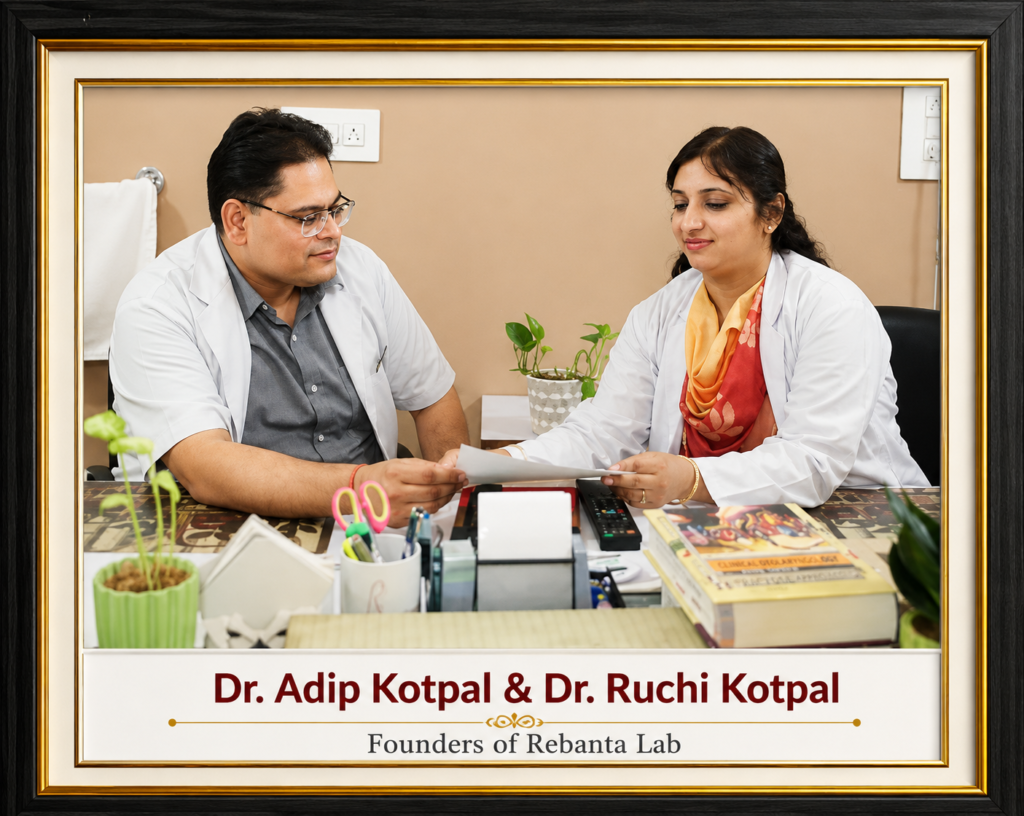
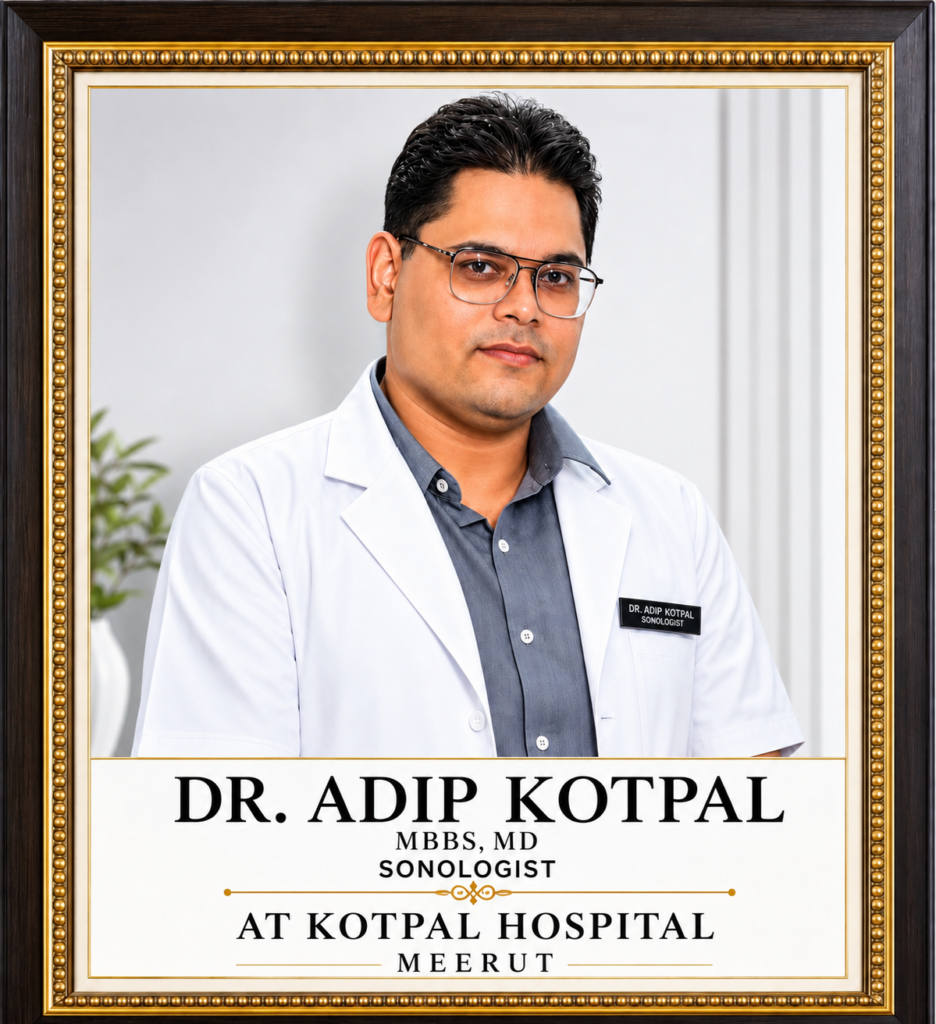
In Meerut and its surrounding regions, institutions committed to quality healthcare continue to shape the local medical landscape. Among such healthcare initiatives, Dr. Adip Kotpal, Kotpal Hospital, and Rebanta Lab represent an effort toward making healthcare more accessible, patient-centered, and community oriented.
This is not merely a story of medical practice—it reflects a broader vision of combining scientific healthcare, affordability, compassion, and public service.
The Evolving Face of Healthcare in India
India’s healthcare ecosystem is rapidly transforming. Changing lifestyles, urbanization, increased awareness, and evolving disease patterns have made quality diagnostic and medical services more important than ever.
Today, healthcare extends far beyond prescribing medicines. It includes:
- Early disease detection
- Accurate diagnostics
- Preventive healthcare
- Continuous patient monitoring
- Health awareness and education
- Community-centered medical services
Within this evolving environment, hospitals and diagnostic centers have become essential institutions that influence public health outcomes.
Dr. Adip Kotpal: A Vision Rooted in Medical Excellence and Human Care
Behind every meaningful healthcare institution stands a philosophy—and behind that philosophy stands a professional dedicated to serving people.
Dr. Adip Kotpal may be viewed as a healthcare professional committed to integrating diagnostic precision with patient-focused medical care.
With an academic foundation in medicine and a professional focus in ultrasonology and diagnostic healthcare, his approach reflects the growing importance of evidence-based medicine and continuous professional development.
A doctor’s contribution extends beyond clinical expertise. True medical leadership is reflected through:
- Commitment to patient welfare
- Scientific thinking
- Ethical medical practice
- Continuous learning
- Respectful patient interaction
- Dedication toward healthcare accessibility
These values contribute significantly to strengthening trust between healthcare providers and society.
Kotpal Hospital: Healthcare Beyond Treatment
The expectations from modern hospitals have evolved dramatically.
Patients today seek:
✔ Expert medical attention
✔ Timely diagnosis
✔ Comfortable care environments
✔ Modern healthcare infrastructure
✔ Affordability
✔ Transparent communication
✔ Compassionate support
Hospitals that combine these elements become more than healthcare facilities—they become institutions of trust.
Kotpal Hospital may be viewed as an effort toward creating a patient-oriented healthcare environment where medical services are delivered with organization, efficiency, and attention to patient needs.
A contemporary hospital serves not only as a treatment center but also as a place for health monitoring, preventive care, and informed decision-making.
Rebanta Lab: Precision Diagnostics with a Commitment to Community Health
In modern medicine, diagnosis often determines the success of treatment.
A laboratory is not simply a place where tests are conducted—it is a scientific support system that enables clinical decisions.
Rebanta Lab appears to align with the philosophy that:
Accurate Testing → Better Diagnosis → Better Treatment Outcomes
Diagnostic services today influence nearly every stage of patient care and play an increasingly important role in preventive healthcare.
Comprehensive Healthcare and Diagnostic Services
One of the strengths of integrated healthcare institutions lies in bringing multiple services together under one ecosystem.
The services associated with healthcare and diagnostic support may include:
1. Pathology Testing Services
Laboratory investigations remain among the most fundamental tools for medical assessment.
Routine and specialized diagnostic evaluations support disease identification and health monitoring.
2. Ultrasound and Imaging Services
Ultrasonography has become an indispensable diagnostic modality in modern medicine.
It supports physicians in clinical evaluation and treatment planning.
3. Microbiology and Infection Diagnostics
Accurate identification of infectious conditions contributes significantly to targeted medical management.
4. Radiology and X-Ray Services
Imaging continues to play an important role in structural assessment and diagnostic support.
5. ECG and Basic Cardiac Evaluation
Cardiovascular assessment remains an important element of preventive healthcare.
6. Blood Investigations and Preventive Health Screening
Regular health assessment enables individuals to monitor and improve long-term wellness.
7. Convenient Sample Collection Services
Patient convenience has become an essential aspect of modern healthcare delivery.
Affordable Healthcare: A Social Necessity
One of the greatest healthcare challenges in developing economies is ensuring that quality medical services remain financially accessible.
Affordable healthcare should not mean compromise.
True affordability means:
- Fair pricing
- Reliable standards
- Accessible services
- Efficient delivery
- Patient satisfaction
When healthcare services become available locally, communities benefit through:
- Reduced travel burden
- Faster medical access
- Greater health awareness
- Improved continuity of care
Affordable healthcare strengthens both families and society.
Creating Health Awareness Across Meerut and Nearby Regions
Even today, many individuals delay medical consultation because of:
- Lack of awareness
- Busy schedules
- Fear of expenses
- Ignoring early symptoms
Modern healthcare promotes a different philosophy:
Do not wait for illness to progress—prioritize timely evaluation.
Health awareness is especially important for:
- Senior citizens
- Women’s health monitoring
- Preventive health seekers
- Individuals managing chronic conditions
- Families seeking regular wellness assessments
Human-Centered Healthcare: Beyond Machines and Reports
Technology has transformed medicine—but compassion remains irreplaceable.
Healthcare becomes truly meaningful when institutions focus on:
- Respecting patients
- Listening carefully
- Maintaining transparency
- Offering guidance
- Delivering care with dignity
Medical science combined with human values creates healthcare systems that genuinely improve lives.
Local Healthcare Institutions and the Future of India
India’s journey toward becoming a healthier nation depends significantly on strengthening local healthcare systems.
Strong regional healthcare contributes to:
- Better disease prevention
- Early medical intervention
- Improved public awareness
- Reduced healthcare inequalities
- Stronger communities
Healthcare institutions that invest in diagnostics, accessibility, and patient education become important contributors to national progress.
Conclusion: Advancing Healthcare Through Service, Science, and Trust
Dr. Adip Kotpal, Kotpal Hospital, and Rebanta Lab reflect an approach toward healthcare that emphasizes accessibility, medical professionalism, and community welfare.
As healthcare continues to evolve, institutions that combine scientific precision with affordability and compassion will play an increasingly important role in society.
For the people of Meerut and surrounding regions, the message remains clear:
Value your health. Seek timely medical evaluation. Adopt preventive healthcare. Trust scientific medicine.
Because ultimately—
Healthy Individuals → Healthy Families → Healthy Communities → A Stronger India
Public Health Note: Medical investigations, diagnoses, and treatment decisions should always be undertaken in consultation with qualified healthcare professionals.